Swatchcraft: The Dealer Color Books That Turned Showroom Shopping Into Custom Design
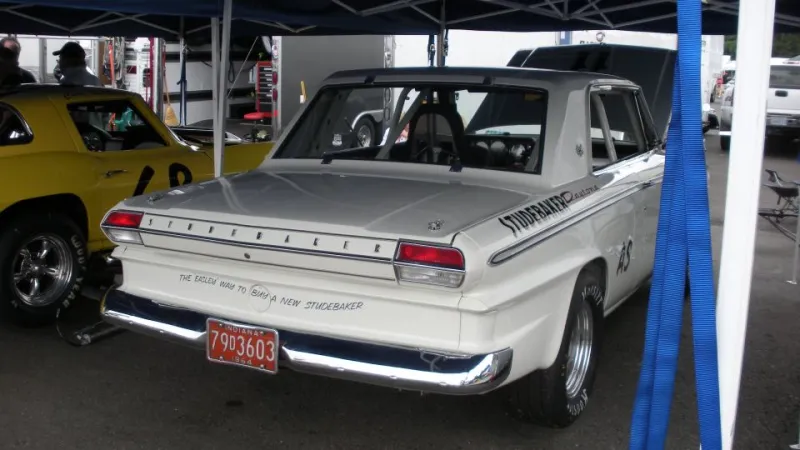
Photo: Theodulf, CC BY-SA 3.0, via Wikimedia Commons
Walk into a modern showroom and the color decision often happens on a tablet. Tap a hue, spin a 3D model, wonder whether Cactus Gray is green or beige. Now rewind to the paper era. The dealer color-and-trim book was a binder-sized promise that your otherwise ordinary sedan could be ordered in a shade nobody else on the block had. For photographers and collectors, those books are more than nostalgia. They are high-resolution evidence of how American automakers used color to sell identity, and how dealers turned a spec sheet into a daydream.
The Paper Configurator
Before build-your-own websites, the color-and-trim catalog did the same job with ink, paper, and a little salesmanship. Pages of paint chips were arranged like a paint-store fan deck, but the real magic was in the combinations. A base four-door could become a mini custom order with a contrasting roof, a stripe package, a vinyl top, and an interior pulled from a completely different mood board. The book showed you the matrix: exterior hue, interior trim, top color, wheel covers, and the ever-tempting option sheet tucked in the back.
That is why these brochures still photograph so well. The chips have texture. The swatches show weave and grain. The printing dots and aged paper edges remind you that this was a physical sales tool, not a PDF. In our high-resolution gallery scans, you can study the way a pale blue chip sits next to a white convertible top, or how a brown plaid interior was pitched as upscale rather than merely brown.
When Paint Names Sold the Car
Factory color names were marketing copy long before they were collector shorthand. High-impact hues got names that sounded like candy, fire, or a dare. Subtle shades got names that sounded like a country club, a cigar lounge, or a desert sunset. The fun of flipping through an old color book is seeing how seriously the industry took the naming game, and how often the wildest chips were reserved for the mid-size and pony-car lines while the full-size sedans stayed politely metallic.
Some colors aged into icons. Others vanished into the parts-counter binder. But every chip had a code, and that code is where the hobby gets interesting.
Paint Codes Are Collector DNA
A paint code is not just a pretty number. It is a fingerprint. On many American cars, the body tag, trim tag, build sheet, and dealer paperwork all tell a story that the paint code helps confirm. If a car is claimed to be a rare one-year color, the code is the first thing a serious buyer checks. A matching code does not guarantee perfection, but a mismatch starts a very different conversation.
This is where old color-and-trim books become practical tools. They show which hues were actually available, which interiors were supposed to go with them, and how the factory described the combination. Collectors use those scans to authenticate rare cars, spot incorrect repaints, and understand whether a wild color was a factory offering or a later custom job. The brochures are not just eye candy. They are research material with a staple in the corner.
The Wallpaper Gallery We Keep Coming Back To
At AllCarPictures, we treat color and body style as the composition. A pastel hardtop with a contrasting roof is a study in restraint and swagger at the same time. A metallic fastback with a black interior reads like a single continuous shape. A wagon with woodgrain siding and a matching tan interior is pure period theater. These are the images that end up as desktop wallpapers and phone lock screens because they balance clean design with a very specific sense of place.
The best color-book scans also capture the small stuff: the way a chip changes under a printed gloss varnish, the tiny type listing code numbers, the dealer stamp on the back cover. Those details make the printed sales materials feel like artifacts from a showroom that no longer exists.
Why the Format Still Matters in 2026
Today, dealer literature is often a downloadable PDF or an auction listing with a dozen photos. That is convenient, but it misses the tactile ceremony of the paper book. The binder format invited browsing. It made color selection feel like design work. It gave a salesperson a prop and a buyer a keepsake.
In 2026, collectors still trade scans and original books, and the best ones are treated like reference volumes. The color chart remains a reminder that specs and style were never separate in the American car business. A paint code tells you what was built. A color-and-trim book tells you what was possible. Put them together, and you have a paper configurator that still makes ordinary cars feel custom.