Stamped in Pride: The Graphic Glory of Mid-Century American License Plates

Photo: Massimo Barbieri, CC BY-SA 3.0, via Wikimedia Commons
A license plate is bureaucracy that accidentally became folk art. It has to identify a vehicle, satisfy a state agency, and survive weather, car washes, and parking-lot kisses. Yet for a long stretch of American history, it also had to look good doing it. Mid-century plates arrived every year with fresh colors, new slogans, and embossed lettering that gave even a plain sedan a little graphic punch. For car photographers, they are irresistible details: tiny stamped canvases bolted to the bumper, carrying evidence of home, history, and honest wear.
At AllCarPictures, we spend a lot of time looking at the whole car. But the plate is often where the story gets specific. A faded blue-on-yellow California tag, a Wyoming bucking horse, a Maine plate promising Vacationland — these are not just registration markers. They are state pride in miniature, and they deserve a closer frame.
The Yearly Redesign Was the Whole Point
In the middle of the 20th century, many states reissued plates every year. That meant new colors, new layouts, and sometimes new slogans on a regular schedule. Drivers did not simply renew a registration; they got a fresh piece of design for the back of the car. By the mid-1950s, a voluntary national size standard settled around 6 by 12 inches, giving states a consistent canvas. What they did with that canvas varied wildly.
Some plates were sober and official. Others looked like they had been designed by a tourism office with a sunburn. County names, weight classes, and expiration tabs added layers of information. The result was a yearly design event that most drivers probably took for granted. Today, those same plates are exactly the kind of detail that makes a classic car photo feel period-correct.
Color Was the First Hook
State plate design has always been a conversation between bureaucracy and local identity. California is the easy example: blue characters on a yellow field, then yellow characters on a blue field, both so familiar that they became shorthand for the state itself. Texas leaned on white and black with a lone star, clean and confident. Florida played with citrus-toned backgrounds and county names, while Colorado used mountain silhouettes and Arizona moved through copper, turquoise, and desert-warm palettes.
Then there are the plates that function almost like state flags on wheels. Wyoming's bucking horse is a genuine icon, a bucking rider rendered in miniature. South Carolina's palmetto tree and Oregon's Douglas fir put landscape directly into the typography. New Mexico's turquoise plates feel like a roadside souvenir before you even read the numbers. These are the plates collectors pin to garage walls and photographers zoom in on at cruise nights.
Typography With a Little Swagger
Before digital printing made everything smooth and flat, plates were embossed. The characters rose off the metal, catching sunlight and casting tiny shadows. That physical relief gave plates a handmade quality even when they were stamped by the thousands. Slab serifs, blocky numerals, and slightly quirky spacing made each state's dies feel distinct. A plate was not just legible; it had a voice.
Slogans did the rest. Maine's Vacationland, New Hampshire's Live Free or Die, Illinois' Land of Lincoln — these phrases turned registration into a tiny tourism pitch. Some were earnest, some were boastful, and some were simply strange. All of them gave the bumper a bit of personality. In photographs, that lettering becomes a texture story: raised chrome-like ridges, worn paint, and the soft bloom of age.
The Details Collectors and Photographers Chase
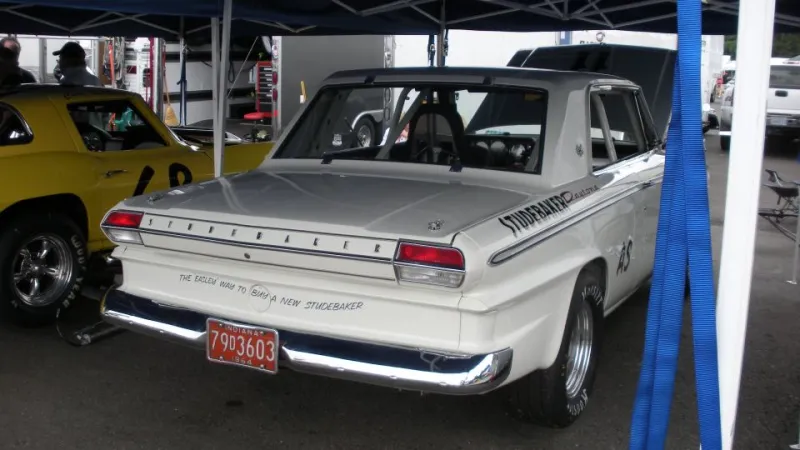
Plate collectors care about originality. They look for straight metal, readable stamping, intact enamel, and the right year stickers. But car photographers often love the imperfections more. A little rust around the bolt holes, a bent corner, faded background paint, or a license-frame shadow can make a plate feel lived-in. A clean 1960s plate with honest patina can be more photogenic than a repainted specimen that has lost its history.
When shooting plates, side light is your friend. It pulls out the embossing and makes the numbers pop. Get close enough to fill the frame, but leave enough bumper or grille in the shot to give context. Avoid direct flash, which flattens the metal and turns reflective surfaces into glare. And do not ignore the frame of the car itself: a chrome bumper, a dusty valance, or a dealer badge can tell you as much as the plate does.
Why They Still Work in 2026
Modern plates have their own charms, but safety requirements and flat printing have made many of them visually quieter. Reflective sheeting and digital graphics are practical, and they are not going anywhere. Still, the mid-century plate retains a graphic confidence that is hard to match. It was designed to be read at a distance, reproduced cheaply, and changed often. Somehow, that combination produced objects that collectors now treat as small works of design.
In 2026, license plates are also a reminder that car culture lives in the details. A plate can date a photograph, place a car in a specific state, or hint at a long road trip. It can be a conversation starter at a show and a perfect desktop wallpaper when cropped tight. The best ones make you look twice — first at the colors, then at the story.
A Gallery Frame of Mind
Next time you are at a cruise-in or walking a row of classics, look down. The bumper is a museum label. The plate is a little stamped document of where a car came from and when it was on the road. Mid-century American plates turned that document into something worth photographing, collecting, and celebrating. That is the kind of detail AllCarPictures was built to notice.